Why Denver’s Biggest Events Keep Losing the WiFi Battle — And What’s Finally Changing
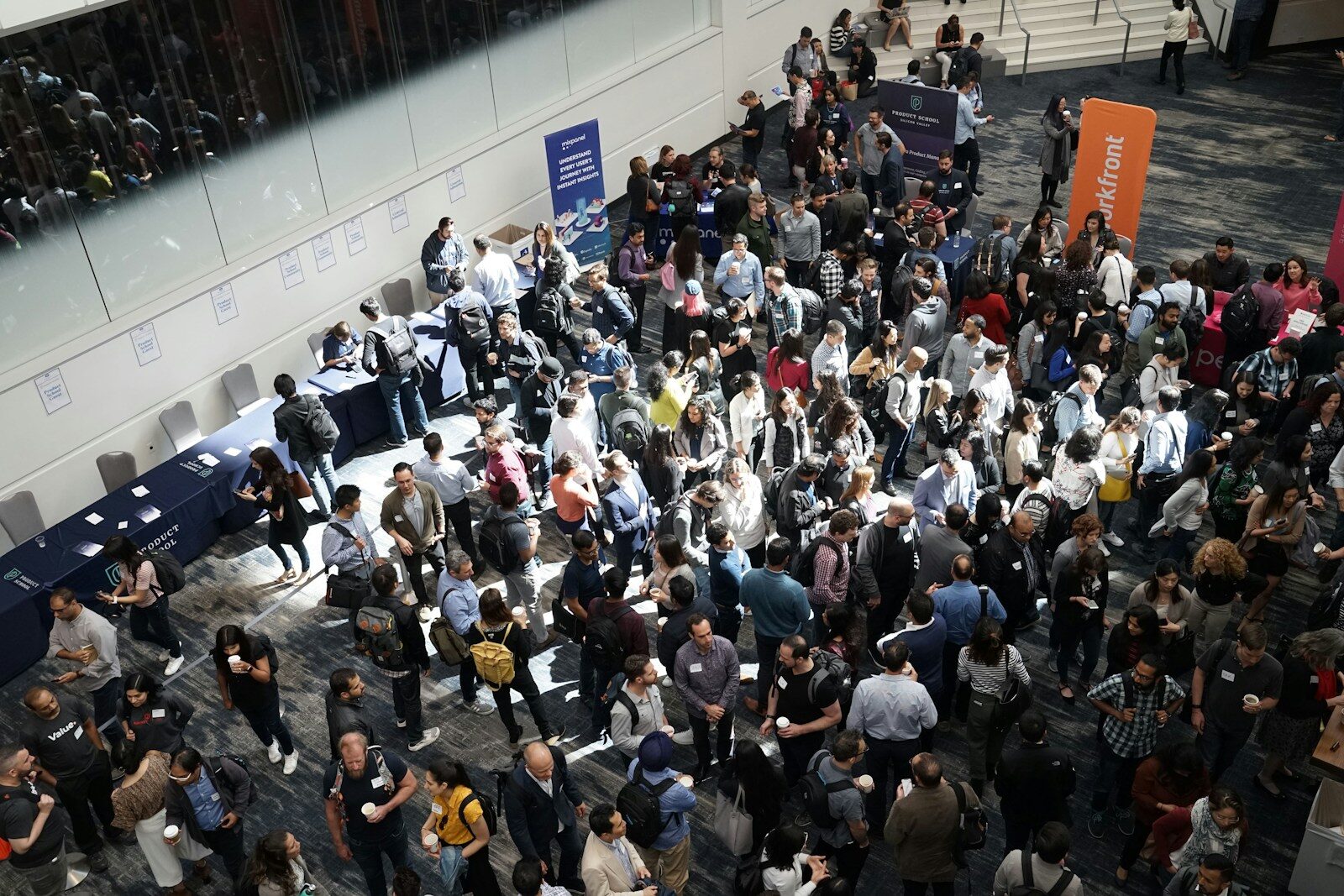
Photo by Product School on UnSplash
During the 2024 National Western Stock Show, a livestock auction streaming platform crashed mid-bid. The outage lasted eleven minutes. In that window, an estimated $180,000 in remote bids never made it through. The culprit wasn’t a server failure or a cyberattack. It was a congested cellular network buckling under 40,000 visitors packed into the National Western Complex, all fighting for the same radio frequencies at 5,280 feet above sea level.
That kind of failure isn’t rare in Denver. It’s practically a tradition.
The Mile High Problem Nobody Talks About
Most event planners think about catering, parking, and permits. Internet connectivity gets bolted on last, treated like an afterthought — plug in a router, maybe rent a hotspot, hope for the best. In a city like Denver, that approach falls apart fast. The thin air at altitude does strange things to radio frequency propagation. RF signals behave differently here than they do in Dallas or Miami. Signal attenuation patterns shift, interference margins tighten, and the gap between “works in testing” and “works with 10,000 people” gets wider than organizers expect.
Colorado Convention Center events run into this constantly. The building itself is a massive steel-and-glass structure spanning over 2.2 million square feet. Cell signals bounce, degrade, and die in the lower exhibition halls. During the Great American Beer Festival, attendees routinely complain about dead zones near the southeast wing. Vendors who rely on mobile payment processing sometimes resort to old-fashioned cash boxes by Saturday afternoon.
It’s not just indoor venues. Red Rocks Amphitheatre sits in a geological bowl of 300-million-year-old sandstone. Beautiful for acoustics. Terrible for wireless signals. The rock walls create multipath interference that scrambles standard cellular connections, and the venue’s remote Morrison location means backhaul options are limited to begin with.
When “Good Enough” Internet Isn’t
Denver Arts Week pulls together hundreds of events across the metro area every fall. Galleries livestream installations. Performance venues sell digital tickets at the door. Pop-up exhibitions in RiNo need point-of-sale systems that actually work. For a week-long cultural event spread across dozens of locations, each with different infrastructure and different connectivity challenges, the logistics of keeping everything online are genuinely punishing.
And the stakes keep climbing. A 2023 survey by the Events Industry Council found that 74% of large-scale events now require real-time data connectivity for at least one mission-critical function — livestreaming, cashless payments, attendee tracking, or security systems. In Denver’s competitive event market, a WiFi outage doesn’t just inconvenience people. It kills revenue and damages reputations.
“People assume Denver has great connectivity because it’s a tech-forward city, and in a lot of ways it does,” says Rachel Montoya, an independent event production manager who has coordinated over sixty large-format events along the Front Range. “But venue connectivity and event connectivity are completely different animals. A convention center might have decent house WiFi for staff, but the moment you put eight thousand attendees on it, running livestreams and processing card transactions, that network folds.”
How the Technical Gap Gets Bridged
The fix isn’t a bigger router. For high-density Denver events, the real answer involves layering multiple connectivity sources and bonding them together so that if one path degrades — and at altitude, something always degrades — the others absorb the load without anyone noticing.
Multi-carrier bonding aggregates signals from several cellular providers simultaneously, creating a single fat pipe out of multiple thin ones. Pair that with satellite uplinks and 5G hybrid connections, and you get redundancy that can handle the chaos of a sold-out event at Ball Arena or a corporate product launch in LoDo. WAN smoothing algorithms sit on top, actively managing packet loss and jitter so that a livestream doesn’t stutter every time the network hiccups.
WiFiT, a premier provider of event internet services that has been operating since 2015, has deployed this kind of multi-layered connectivity at hundreds of large indoor and outdoor events. Their work across Denver venues — from the Convention Center to outdoor festivals in Civic Center Park — has given them a particular understanding of the altitude-specific RF challenges that trip up providers who fly in from sea-level cities and assume their standard playbook will work.
For organizers planning events in the Denver metro area, WiFiT’s Denver event internet services represent the kind of specialized approach that the city’s unique environment demands.
The Altitude Factor in RF Engineering
Here’s something most people outside the wireless industry don’t realize. At Denver’s elevation, the lower atmospheric pressure means RF signals propagate slightly differently than at sea level. The effect is subtle in open air but gets amplified in enclosed or semi-enclosed venues. Metal roofing at the National Western Complex, the glass facades of the Convention Center, the stone amphitheater walls at Red Rocks — each material interacts with radio waves in its own way, and altitude shifts those interactions just enough to make pre-event site surveys essential rather than optional.
Temperature swings add another layer. Denver can see a forty-degree temperature shift in a single day, especially in spring and fall — prime event season. Temperature changes affect atmospheric refraction of radio waves. An outdoor festival setup that tests perfectly at 7 AM can develop dead spots by 2 PM when the afternoon heat changes signal behavior across the grounds.
“We learned the hard way that you can’t just copy-paste a connectivity plan from a Chicago trade show and drop it into Denver,” says Matt Cicek, CEO of WiFiT. “At the National Western Stock Show, we had to completely rethink our antenna placement after the first year because the metal livestock pens were creating interference patterns we’d never seen at sea-level venues. Now we run a full RF survey seventy-two hours before any major Denver deployment, map every potential reflection point, and build in three layers of failover. After doing this at a few hundred events in Colorado, you develop an instinct for where the dead spots are going to hide before you even power up the equipment.”
Outdoor Events and Denver’s Unpredictable Sky
Denver averages 300 days of sunshine a year. Event planners love that stat. What they mention less often is the city’s tendency toward sudden afternoon thunderstorms from May through September, microbursts that can drop wind speeds from calm to sixty miles per hour in minutes, and hail that has historically damaged outdoor equipment setups across the Front Range.
For outdoor events at venues like Civic Center Park, the Denver Polo Club grounds, or the sprawling fields used for Velorama and other cycling festivals, weather resilience in connectivity equipment isn’t a nice-to-have. Satellite dishes need wind-rated mounts. Electronics need weatherproof enclosures that can handle both the intense UV exposure at altitude and sudden downpours. Backup power has to kick in fast enough that a lightning-triggered grid interruption doesn’t take the whole network down mid-event.
The 2025 Denver Arts Week saw three outdoor installations lose power during an unexpected October squall. Two of them lost their internet connections entirely. The third stayed online because its connectivity provider had deployed battery-backed equipment in IP67-rated enclosures with automatic cellular failover. That’s the difference between planning for Denver and planning for a generic city.
What Event Planners Should Actually Be Asking
Most RFPs for event internet service ask about bandwidth. How many megabits? That’s the wrong question, or at least an incomplete one. Bandwidth without reliability is just a number on paper. The questions that matter more in Denver are about redundancy, failover time, and site-specific RF planning.
How many independent connectivity paths will be active? If the primary fails, how many milliseconds until the backup engages? Has the provider done events at this specific venue before and mapped its interference characteristics? Do they have local equipment cached in Denver, or are they shipping from out of state and hoping nothing gets damaged in transit?
These aren’t paranoid questions. They’re the difference between an event that runs smoothly and one that ends up as a cautionary tale in next year’s planning meetings.
Denver’s event scene is growing. The city hosted over 80 major conventions and trade shows in 2025, plus hundreds of smaller corporate events, festivals, and community gatherings. The National Western Center redevelopment is adding new event spaces that will come online over the next few years. More events mean more demand for reliable connectivity, and more opportunities for things to go wrong when providers cut corners.
The altitude, the weather, the architecture, the sheer density of devices at modern events — Denver throws all of it at you. The providers who thrive here are the ones who stopped treating it like any other city a long time ago.